
This event has finished. The Tour de France Grand Départ took place in Barcelona from 4 to 6 July 2026, the first time the race had ever started in the city. This page is our record of how it unfolded. The Tour moves to a new host each year, so it will not start in Barcelona again in 2027, but our free daily newsletter keeps you on top of the next big thing happening in the city.
What is the Grand Départ?
The Tour de France is the biggest annual sporting event in cycling and one of the most-watched sporting events in the world. Each summer it sends the sport's best riders on a three-week, country-crossing race, and the place where it all begins is known as the Grand Départ: the "great start". Hosting it is a major prize, and in 2026 that honour belonged to Barcelona.
It was a genuinely historic moment. The Tour had only ever started on Spanish soil twice before (in San Sebastián in 1992 and Bilbao in 2023), and it had never begun in Barcelona until 2026. For a few days in early July, the Catalan capital became the centre of the cycling world, with the race weaving past the city's most recognisable landmarks before heading north toward France. For residents and visitors alike, it was a rare chance to see the Tour up close.
New to how a Tour stage works? You did not need to be a cycling fan to enjoy it. The roadside was free, the atmosphere was part street party, and the publicity caravan that rolled through before the riders was an event in itself. For most people who turned out, it was a day out as much as a bike race.
Tour de France 2026: Dates & Stages
The 2026 Tour de France ran from Saturday 4 July to Sunday 26 July, finishing as always in the Paris region. The opening three stages were all staged in and around Barcelona and Catalonia before the race crossed into France.
Stage 1: Sat 4 July
Barcelona to Barcelona
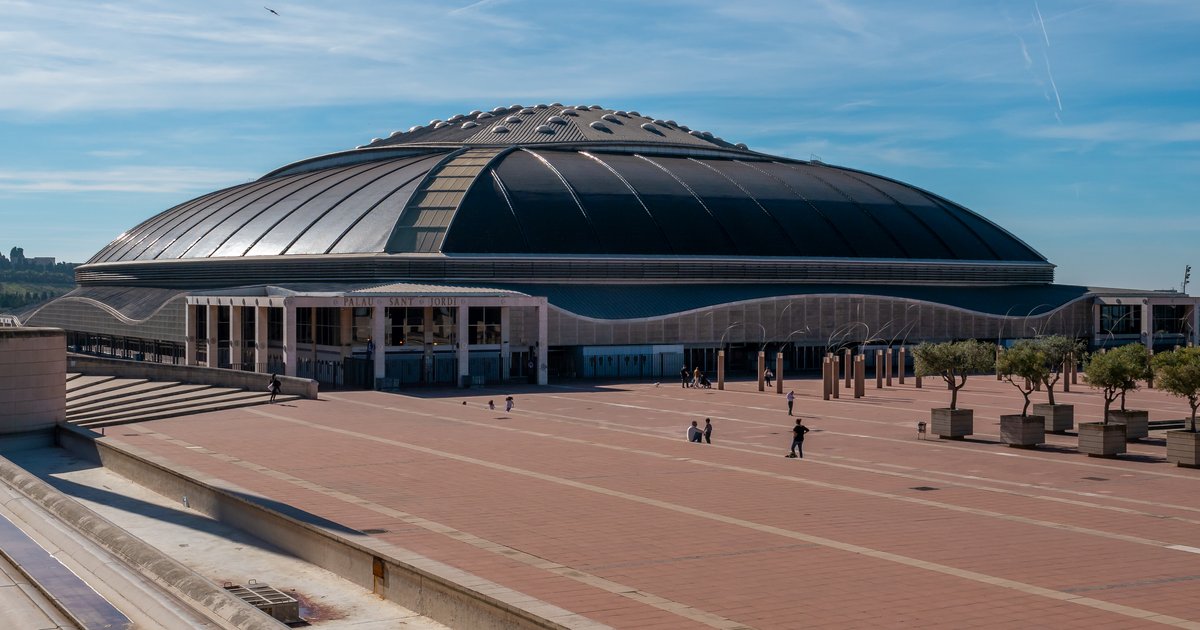
A team time trial of roughly 19.7 km through the city, finishing with a climb to Montjuïc near the Olympic Stadium.
Stage 2: Sun 5 July
Tarragona to Barcelona
A road stage of about 178 km along the coast, returning to a demanding finish on the Montjuïc climb.
Stage 3: Mon 6 July
Granollers toward France
The race leaves the Barcelona area and heads north out of Catalonia.
Race finish
Sunday 26 July
The full Tour ends three weeks later in the Paris region after 21 stages.
Stage 1 was unusual: a team time trial, the first time the Tour had opened with this format in decades, with each rider's time taken individually at the line. The route started near the seafront around the Fòrum, passed the Port Olímpic, swept past the Sagrada Família, and finished with the testing Montjuïc climb up to the Olympic Stadium. Stage 2 ran down the coast, passing the resort town of Sitges, before returning to repeated ascents of Montjuïc. Stage 3 then rolled out of Granollers and headed north out of Catalonia toward France.
Why It Mattered for Barcelona
For three days, Barcelona effectively became a stadium. The Grand Départ drew a global television audience, tens of thousands of visiting fans, and a festival atmosphere that spread well beyond the race route. Here is what that meant on the ground:
- The city was packed. Early July is already peak tourist season in Barcelona; the Tour added another wave of visitors on top. Hotels were full, restaurants fuller and transport crowded, especially near the route and the Montjuïc finish.
- Whole districts closed to traffic. The race needs car-free streets, so large parts of the city centre, the seafront and Montjuïc were shut to vehicles for hours at a time on 4 and 5 July.
- It was a genuine free spectacle. Unlike most world-class sport, you could watch the Tour from the roadside without paying a cent. For residents and visitors alike, it was one of the best free days out of the summer.
- Barcelona was on show. The route was designed to frame the city's landmarks for the cameras: the Sagrada Família, the seafront, Montjuïc. It was the city at its most photogenic.
Where People Watched the Race
There were two broad choices: a dramatic spot near the action, or an easier, more comfortable spot with room to breathe.
The Montjuïc climb and finish. Both opening stages finished with a climb up Montjuïc toward the Olympic Stadium. That was where the racing was hardest and the crowds thickest. The riders were slower on the gradient, so spectators saw them for longer. It was the most exciting place to watch, but people needed to arrive several hours early and stand in the sun.
The seafront and Port Olímpic. On the flatter coastal sections, the riders passed at high speed but the setting was open, breezy and far less crowded than Montjuïc. It was the better choice for anyone bringing children or wanting shade and refreshments nearby.
Tarragona and Granollers. For those who wanted to avoid Barcelona's crowds altogether, the Stage 2 start in Tarragona and the Stage 3 start in Granollers were smaller, more relaxed places to see the riders up close before the race rolled out.
How it worked: The publicity caravan (a parade of sponsor vehicles tossing out free samples and souvenirs) passed the route well before the riders, often more than an hour ahead. Anyone after the full experience (and the freebies, which children loved) needed to be in position early.
Thinking of making Barcelona home?
Barcelona Expat Daily: a 5-minute English digest of the day's local news, plus the events worth your time. Free, no credit card.
Road Closures & Getting Around
This was the single biggest thing to plan around. On 4 and 5 July there were extensive road closures across central Barcelona, the seafront and Montjuïc, with further closures around Tarragona and Granollers on the relevant days. Streets closed hours before the riders arrived and reopened only once the race had fully passed and the route had been cleared.
Driving was a non-starter. Anyone with a car had to leave it well away from the route, and a normal parking spot inside a closure zone risked being towed. Within the city, walking and the metro were by far the most reliable way to move around on race days.
The metro kept running normally and was the smartest way to reach a viewing point or get home afterwards, though stations near the finish on Montjuïc and along the route were extremely busy at peak times. Buses and trams, by contrast, were heavily disrupted because they share the closed roads.
People arriving from outside Barcelona were best off taking the train: Rodalies regional services and long-distance trains into stations such as Sants and Passeig de Gràcia, since road access into the city was constrained.
What the Day Was Like
A Tour stage is a long day with a short burst of action, and race weekend in Barcelona was no different.
The timeline. Crowds built through the morning. The publicity caravan came through first: loud, colourful and generous with freebies. Then came a quiet stretch before the riders themselves, who passed in anything from a few seconds (on a flat, fast section) to a couple of minutes (on the Montjuïc climb, where they were spread out). Television helicopters overhead were the usual cue that the race was close.
The atmosphere. There was music, sponsor giveaways, fans in team colours and a genuine street-party feel, especially on the Montjuïc climb. It was friendly and family-suitable. The flip side was heat, crowds and a fair amount of waiting.
What people brought. Early July in Barcelona is hot: daytime highs around 28 to 30°C with strong sun. Hats, sunscreen, plenty of water and snacks all earned their place, because food options near a packed route were limited and pricey. Comfortable shoes mattered too: Montjuïc is a hill, and many spectators walked a long way to reach a good spot and get home afterwards.
What Seasoned Fans Did
They picked their spot the day before
Once the route maps were published, regulars scouted their viewing point in advance. The best spots had a corner or a climb (where the riders slow down), some shade, and a metro station within walking distance but not directly on top of the finish, where the crush was worst.
They watched on a screen for context
The race itself flashes past in moments. Many fans watched from a bar or a fan zone with a big screen, then stepped out to the roadside for the riders, then back in, getting the storyline and the live moment both.
They cleared out slowly after the finish
The biggest crush came straight after each stage ended, when tens of thousands of people all tried to leave Montjuïc at once. Those who lingered 30 to 45 minutes (a drink, let the crowd thin) before heading for the metro had a far easier time.
They used the week to see the real Barcelona
For visitors weighing up a move, race week was Barcelona at its busiest and most polished. The ones who added a few quieter days either side, walking neighbourhoods where people actually live like Gràcia, Sant Antoni and Poblenou rather than only the tourist core, got a truer sense of the city, which is calmer and more liveable than a Tour weekend suggests.
FAQ
When did the Tour de France 2026 Grand Départ take place in Barcelona?
The 2026 Tour de France began on Saturday 4 July with a team time trial in Barcelona. Stage 2 ran on Sunday 5 July from Tarragona, and Stage 3 left Granollers on Monday 6 July heading toward France. It was the first time the race had ever started in the city, and the Tour will not return to Barcelona in 2027.
Did you need a ticket to watch the Tour de France in Barcelona?
No. Watching from the roadside was free: the race ran on public streets. Paid grandstand and hospitality seating near the Montjuïc finish was offered separately, but the vast majority of spectators simply found a good free spot along the route.
Where were the best places to watch the Grand Départ?
The Montjuïc climb and the finish near the Olympic Stadium gave the most dramatic viewing on both opening stages. For a more relaxed spot, the seafront around the Fòrum and Port Olímpic offered a clear view on flatter ground. The climb finishes rewarded those who arrived several hours early.
Were there road closures during the Tour de France?
Yes. There were extensive rolling closures across central Barcelona, the seafront and Montjuïc on 4 and 5 July, plus closures around Tarragona and Granollers. Streets closed hours before the riders arrived, so walking and the metro were the only reliable way around.
Was it family-friendly?
Yes. Roadside viewing was free and the mood festive, with the publicity caravan handing out freebies before the race. The main things to plan for were the heat, the crowds and a fair amount of waiting.
What was the weather like in Barcelona in early July?
Hot and sunny, with daytime highs around 28 to 30°C and strong sun near the coast, which made shade, a hat, sunscreen and plenty of water essential for a long day at the roadside.
Where can I keep up with what's happening in Barcelona?
Our free daily newsletter sends a short, English-language summary of Barcelona's news and events every day, including the practical updates around the city's big events. Join below.
Daily Barcelona news in English. Free.
Whether you're new to Barcelona or planning a move, start each day with a 5-minute summary of Barcelona news, events and what's worth your time, in clear English.